Single-channel outreach is dead in 2026. Prospects need 6–8 touchpoints before they respond, and those touchpoints need to span LinkedIn, email, and sometimes even phone. The good news: multichannel sequences that combine LinkedIn and email drive up to 287% more engagement than single-channel campaigns.
Here are the exact sequences that are working right now.
What is a Multichannel Sequence, and How Do They Work?
A multichannel sequence is a strategic approach to communication where you send a series of messages across various channels such as email, social media, WhatsApp, and even phone calls. The primary goal of a multichannel sequence is to help you get noticed and fetch a response from your prospect by reaching out across multiple touchpoints.
Here’s how it works:
- Multiple touchpoints: Reaching out to your prospect using multiple channels, you cater to the preferred channels of different individuals to increase the chances of getting the reply.
- Building Rapport & Trust: Engaging through the preferred channels of the prospect helps you emulate more human-like behavior. Your presence on multiple platforms adds credibility to your outreach.
- Adaptability: Different channels have different strengths and use cases. For example, LinkedIn is great to build personalised connections; on the other hand, emails can be more professional and detailed.
There is no one-size-fits-all answer to the best outreach sequence; however, your best outreach sequence depends on your target audience, their presence on multiple platforms, and your objectives. Furthermore, well-timed messages, personalised content, and the right choice of channels will decide the outcome. A successful outreach sequence that works well combines LinkedIn and emails with two to three followups.
Multichannel vs. Single-Channel in 2026:
The Numbers:
The gap between single-channel and multichannel outreach has never been wider:
- Email alone: ~3.8% average reply rate
- LinkedIn alone: ~10% average reply rate
- LinkedIn + email combined: ~15% average reply rate
- LinkedIn + email + one additional channel (call, WhatsApp): up to 20–25% reply rate
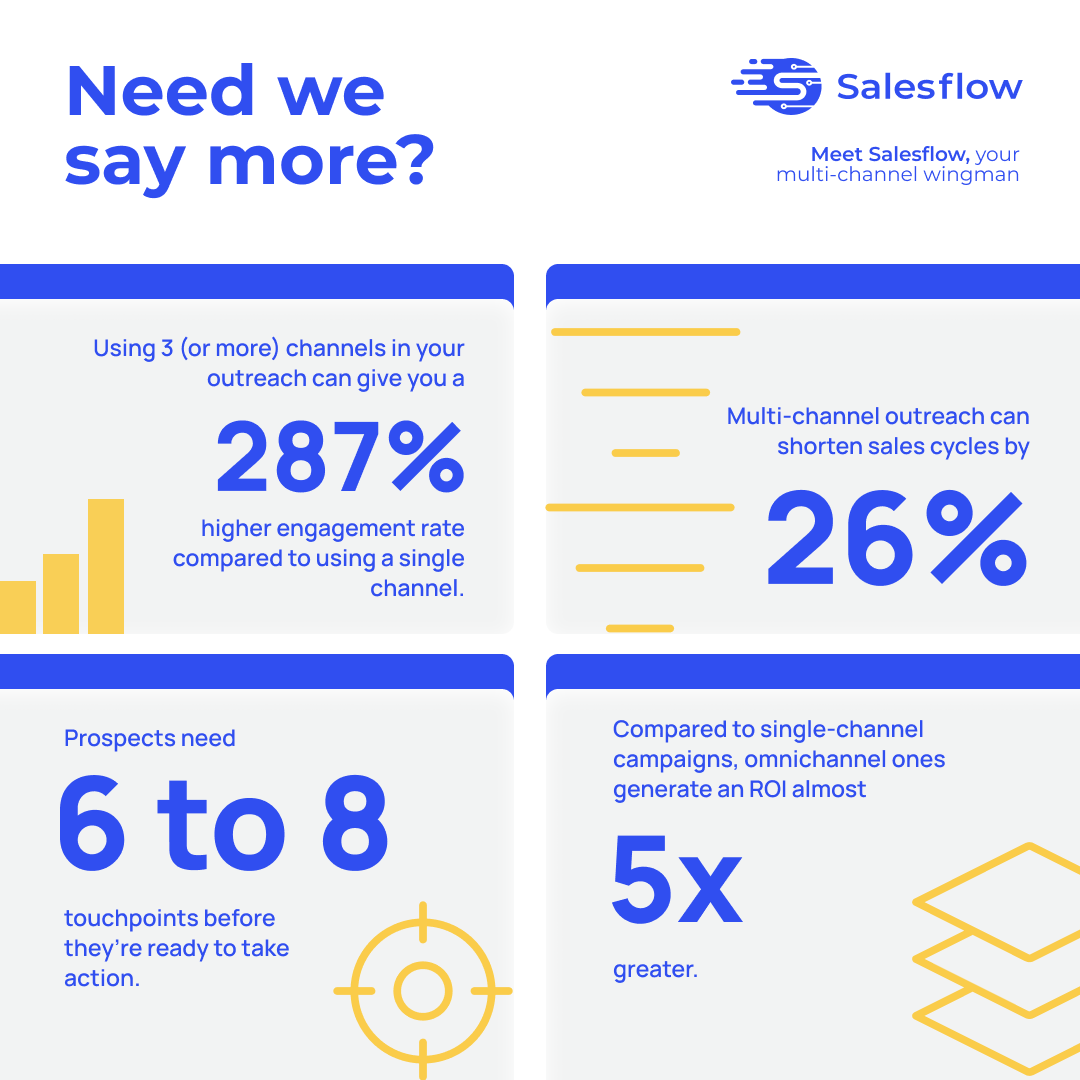
The teams booking the most meetings aren't sending more messages, they're showing up on more channels, in the right order, with messages that react to prospect behavior.
Benefits of Using Multichannel Sequences
- Increased Response Rates: There is a higher likelihood of getting a response when you reach out to your target customer through multiple channels, including their preferred channel.
- Increased Engagement: With diverse content types on different channels, your prospect can see and interact with you across various channels, leading to higher engagement.
- Greater Reach: By not limiting yourself to one channel, you give yourself a chance to get noticed by a wider audience.
- Better Targeting: With multiple channels, you can target different segments of customers based on their behaviours, demographics, etc.
- Improved Customer Experience: Multichannel outreach allows for more personalised communication for your customers, leading to increased loyalty and effectiveness of outreach.
Sequence Messages with Example
- Personalised Connection Request on LinkedIn: Treat it as a simple conversation starter while showing empathy for your prospect.
- Product/Service Introductory Email: It should be professional, building on your company’s ethos and brand language.
- Follow-Up Message on LinkedIn: Give a gentle reminder to build a top-of-mind awareness and build the connection established.
- Phone Call: If you receive a positive response or not, a direct approach to engaging with the prospect is always more trustworthy and gives both parties a clear understanding.
- Social Media Engagement: Interact with prospects’ posts or updates to increase visibility and keep building the long-term relationship.
Best Outreach Sequence Examples
Multi-channel Sequence : LinkedIn + Email: 3 Follow-Ups
- Day 1: LinkedIn Connection Request: Send a personalised connection request mentioning common interests or mutual connections.
- Day 3: LinkedIn Message: Send a brief message thanking them for accepting the connection and introducing yourself.
- Day 7: Email 1: A more detailed introduction of your company and how you can add value. Include a clear call-to-action (CTA).
- Day 10: LinkedIn Follow-Up: Check-in to see if they received your email and offer further assistance.
- Day 14: Email Follow-Up: A gentle reminder about your previous email, offering to schedule a call or provide more information.
Multi-channel Sequence 2: LinkedIn + Email: 3 follow-ups
- Profile visit: Visit the LinkedIn profile to create awareness and demonstrate human-like behaviour.
- Add relation: Send a personalised connection request on LinkedIn, including a note to address 100% of your audience.
- Email follow-ups: If the lead doesn’t accept your LinkedIn request within 7 days, follow up with three emails:
The first email highlights the lead’s problem and offers added value without asking for an immediate call.
The second email uses social proof and invites the prospect to a discovery call.
The third email is a “breakup email” that seeks to understand why the prospect hasn’t replied in order to better qualify them.
Visual Sequence: The Exact Timeline That Works in 2026
Here's the day-by-day breakdown of the highest-performing LinkedIn + email sequence right now:
Day 1 — LinkedIn Profile Visit (automated): Creates awareness before any direct contact. Mimics natural human behavior.
Day 2 — LinkedIn Connection Request: Short, personalized note. No pitch. Just a relevant reason to connect.
Day 4 — LinkedIn Message (if accepted): Brief intro. One pain point. One soft CTA (link or question, not "book a call").
Day 7 — Email 1: Expand on your value prop. Reference the LinkedIn connection. Include a clear CTA.
Day 10 — LinkedIn Follow-Up: Check in. Keep it short. Reference the email.
Day 14 — Email 2 (Social Proof): A case study, stat, or client result relevant to their industry.
Day 18 — Email 3 (Breakup): "Didn't want to keep bothering you, is this just bad timing, or not relevant?" This email consistently gets the highest reply rate of the sequence.
Pro tip: If a prospect replies at any point, stop the sequence immediately. Continuing to send automated messages to someone who has already responded is one of the fastest ways to lose a deal.
Looking for copy that actually converts? See our LinkedIn outreach templates for cadences that convert.
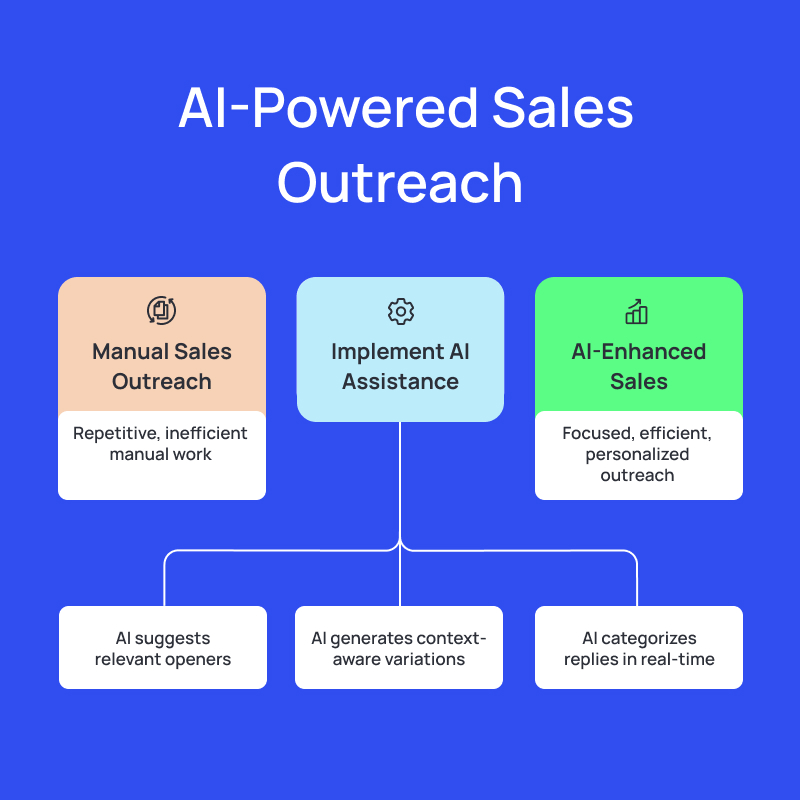
AI Personalization in Multichannel Sequences (2026)
Personalization has always mattered in outreach. In 2026, AI makes personalization scalable.
Here's how the best teams are using AI inside their sequences:
- First-line personalization: AI tools scan a prospect's LinkedIn profile, recent posts, or company news and generate a unique opening line for each message, no manual research required.
- Pain point matching: AI maps your ICP's common challenges to your value proposition and adjusts the messaging angle per segment automatically.
- Reply sentiment detection: Tools like Salesflow automatically tag inbound replies as positive, neutral, or negative, so your team focuses only on the warm ones.
- Sequence branching: If a prospect opens your email but doesn't click, the sequence adjusts. If they accept your LinkedIn request but don't reply, a different follow-up fires. AI-driven conditional logic replaces the one-size-fits-all drip.
The goal isn't to sound like a robot that did its homework. It's to sound like a human who actually did.
Outreach Sequences: Best Practices
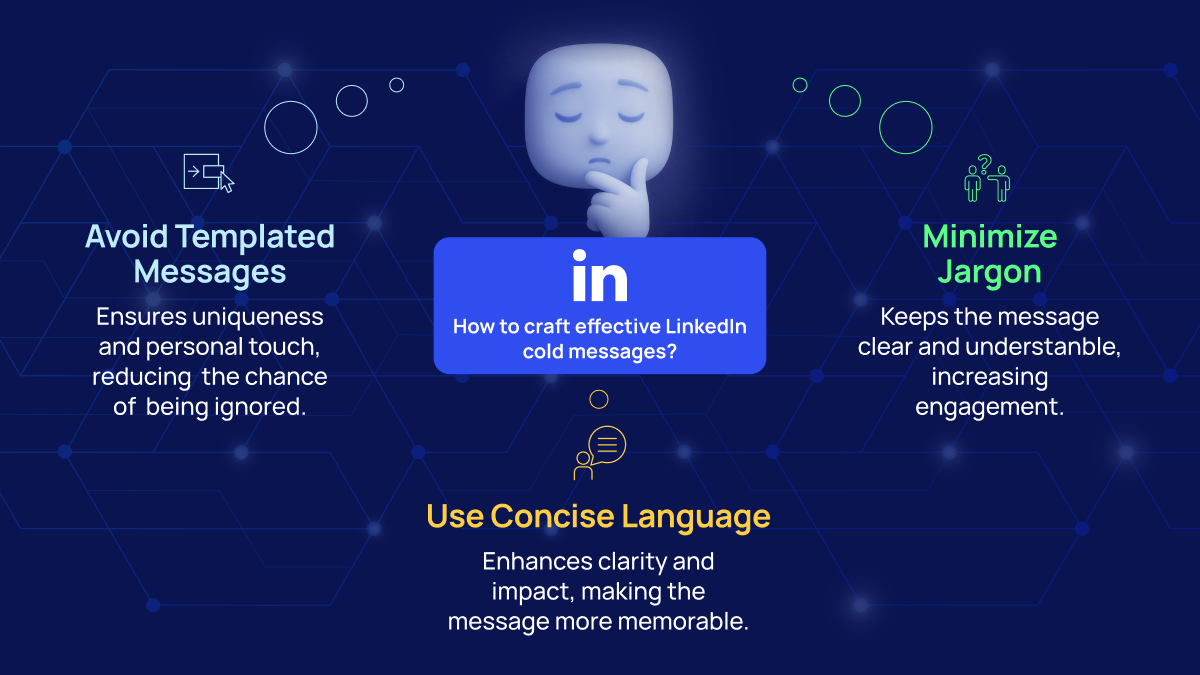
- Personalise Your Outreach Efforts: Tailoring your messages and outreach based on the user’s needs and interests goes a long way. Start by using the right salutations and the recipient’s name, and mention any specific detail that emphasises that you have done your research.
- Consistency is key: When messaging, either first time or follow-ups, you need to align the messages across all channels.
- Include a Clear CTA: Not using a CTA is the biggest mistake we make in our outreach efforts. Make sure every message has a clear next step for the prospect to take.
- Respect Timing: First, triggering the message must be clearly defined so that it does not disturb the recipient and improves your open rates. Further, please don’t bombard your prospects with messages; you should allow time between follow-ups.
- Use A/B Testing: To find your best outreach sequence for lead conversions, experiment with different sequences, timings, and CTAs.
- Automate your workflows: Start using multi-outreach automation tools like Salesflow.io to streamline your outreach across multiple channels. Tools can save you time and efforts while ensuring consistency and personalisation in your outreach efforts.
Want the full breakdown? Read our guide on Outbound Lead Generation: LinkedIn + Email Multichannel Hack.
Common Outreach Sequence Mistakes to Avoid
Even well-designed sequences fail when these errors creep in:
- Pitching on the first message: Your connection request or first LinkedIn message is not the place for a full sales pitch. Build context first.
- Identical copy across channels: Your LinkedIn message and email should not say the same thing. Each channel has its own tone and expectations.
- Too many touchpoints too fast: Sending 5 messages in 7 days reads as spam. Space your sequence over 3–4 weeks minimum.
- No reply detection: If your tool keeps sending follow-ups after a prospect responds, you've already lost the deal. Make sure campaign stopping logic is active.
- Generic CTAs: "Let me know if you're interested" is not a CTA. "Would Tuesday or Thursday work for a 15-minute call?" is.
- Giving up after one follow-up: 48% of reps never send a second message. Most replies come from follow-up #2 or #3, not the first touch.
How to Build This Sequence in Salesflow
Setting up a multichannel LinkedIn + email sequence in Salesflow takes under 20 minutes:
1. Import your prospect list (CSV or directly from LinkedIn Sales Navigator)
2. Choose "Dynamic Outreach" to enable LinkedIn + email in one sequence
3. Set your LinkedIn steps: profile visit → connection request → message → follow-up
4. Add email steps with time delays between each touchpoint
5. Enable AI sentiment detection so positive replies are flagged automatically
6. Turn on reply detection so the sequence pauses the moment a prospect responds
7. Launch — campaigns run in the cloud 24/7, no browser or laptop required
The full sequence goes live in 3 steps. See our dynamic outreach sequence builder in action here:
Start your free 7-day trial here to try it yourself.
Conclusion
It’s not a one-size-fits-all approach. Multichannel outreach sequences are an effective way to engage prospects, leading to higher response rates. Get ready to take your outreach to the next level by leveraging multiple channels, best practices, and automation tools. Salesflow.io offers an advanced platform to automate your multichannel sequences, making it easier than ever to connect with your target audience. Start your free trial today and see how multichannel sequences can transform your outreach strategy!
Want to go deeper on multichannel strategy? Read: Understanding Multichannel Outreach to Maximise Sales.
Interested in what Salesflow can do for you? Start your free 7-day trial here to try it yourself.
.svg)